
Applications
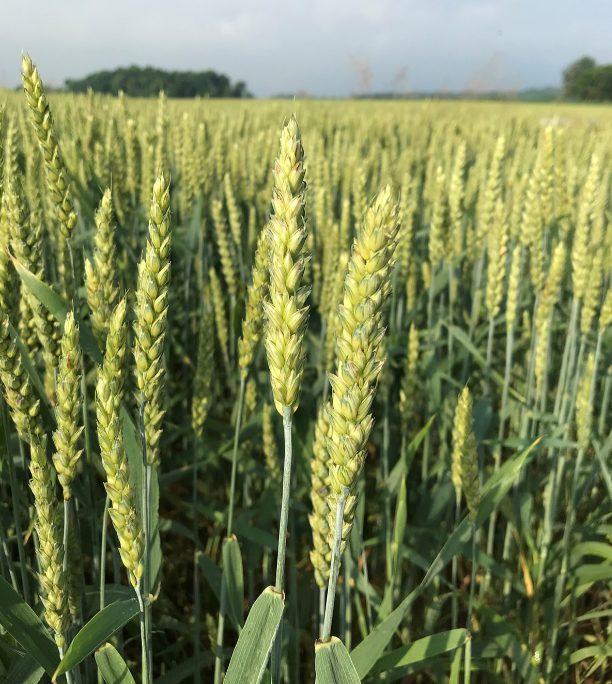
VITAHUM in wheat
In wheat, yield is set up in autumn – by the moisture available for emergence and tillering – and decided in spring, by how much of the nitrogen actually reaches the plant.
Typical soil and agronomic challenges
Drilling into dry soil
Dry autumns bring uneven emergence and weak tillering. A soil with broken structure loses even the little moisture early rains provide.
Nitrogen losses
Part of the spring top-dressing leaches or escapes to the air before the crop takes it up. At current fertiliser prices that is a direct cost.
Compaction below the tilled layer
Cereal-heavy rotations and repeated machinery passes compact the soil and confine roots to the upper layer.
The potential role of VITAHUM
Humic substances work in the soil, not on the ear: they contribute to structure, moisture retention and nutrient exchange. In wheat that bears on exactly the two critical moments – emergence and nitrogen uptake.
The stated gain in mineral nutrition efficiency – mineral fertiliser use reduced by around 30–40% – matters most for the crop that accounts for the largest share of nitrogen use. It is a field trial result that depends on soil and season; the product does not replace fertilisation.
What to clarify together before application
- Previous crop, tillage system and soil moisture reserve before drilling.
- Your current nitrogen programme and soil test results.
- Whether a control strip can be left in the same field to compare yield.
We do not publish crop-specific rates, timings or programmes until they are confirmed by the product documentation. The stated working rate is 1 litre per decare (10 l/ha), applied in line with the technical documentation.
Other crops
- BarleyShallower roots, sensitive to acid and waterlogged soils.
- Oilseed rapeSmall seed, dry seedbeds and a taproot that hates compaction.
- SunflowerDeep roots, summer drought and herbicide carry-over.
- MaizePeak water demand in the hottest weeks.
- Vegetable cropsIntensive tillage, frequent irrigation, tired soil.
- OrchardsA soil you cannot swap for twenty years.
- VineyardsSlopes, lean soils and the balance between vigour and quality.
- Greenhouse productionClosed volume, salt build-up, year-round pressure.
Let's talk about your farm
Send an enquiry for a quote, a sample or a meeting – or call for a consultation. Quotes are individual and without obligation.