
Applications
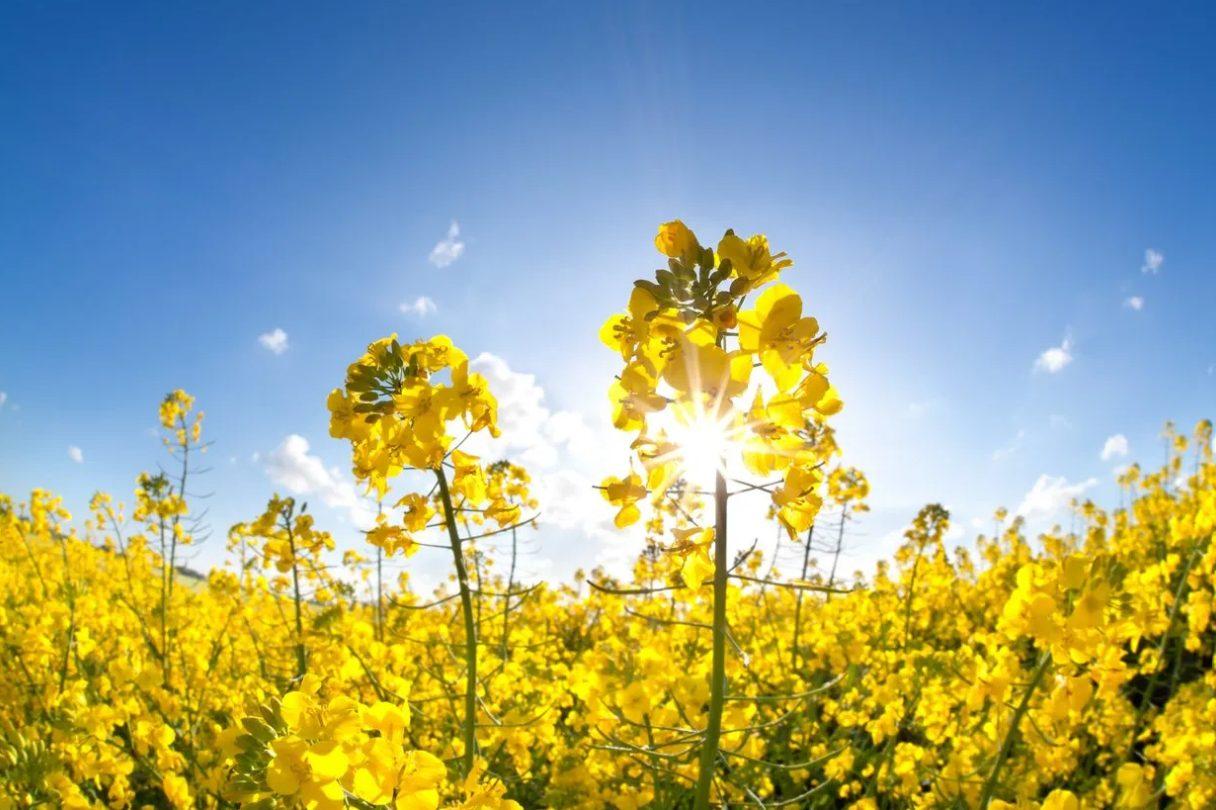
VITAHUM in oilseed rape
Oilseed rape is drilled in late summer, when the soil is at its driest, and its seed is among the smallest of any arable crop. The first six weeks decide whether it overwinters.
Typical soil and agronomic challenges
Establishing in the dry
The small seed sits shallow and depends on moisture in the top few centimetres. Clods and capping mean gaps in the stand.
The taproot
Rape forms a deep main root that bends when it meets a compacted layer. A weak root means poor overwintering.
Demanding nutrition
The crop removes a lot of nitrogen and sulphur and is sensitive to boron shortage. Uptake depends on the state of the soil in autumn.
The potential role of VITAHUM
What matters most for rape is the seedbed: a fine structure that holds moisture around the seed, and a loose profile beneath it. Improved soil structure and water retention is one of VITAHUM's stated qualities.
Humic and fulvic acids form complexes with micronutrients and keep them available. That does not remove the need for boron and sulphur in the programme – how the product is combined with them has to be clarified.
What to clarify together before application
- Tillage method and drilling date.
- Herbicides used on the previous crop that could affect rape.
- Autumn fertiliser programme and planned foliar feeds.
We do not publish crop-specific rates, timings or programmes until they are confirmed by the product documentation. The stated working rate is 1 litre per decare (10 l/ha), applied in line with the technical documentation.
Other crops
- WheatMoisture for emergence and nitrogen efficiency.
- BarleyShallower roots, sensitive to acid and waterlogged soils.
- SunflowerDeep roots, summer drought and herbicide carry-over.
- MaizePeak water demand in the hottest weeks.
- Vegetable cropsIntensive tillage, frequent irrigation, tired soil.
- OrchardsA soil you cannot swap for twenty years.
- VineyardsSlopes, lean soils and the balance between vigour and quality.
- Greenhouse productionClosed volume, salt build-up, year-round pressure.
Let's talk about your farm
Send an enquiry for a quote, a sample or a meeting – or call for a consultation. Quotes are individual and without obligation.